

AI Receptionists for Small Business: Answering Every Call and Booking Appointments
Yes, modern AI receptionist platforms can answer every incoming call and book appointments for small businesses. These systems use natural language processing to understand caller intent, access real-time calendar availability, and schedule meetings without human intervention. This guide covers how AI receptionists work, how to integrate them with your phone system, and how to connect them to your CRM for lead qualification. We will explore the technical requirements, the benefits for small business owners, and how to implement these tools effectively.
AI Receptionist Platforms
AI receptionist platforms are software solutions that use artificial intelligence to handle inbound phone calls, answer questions, and perform administrative tasks. Unlike traditional auto-attendants that rely on rigid menu trees, AI receptionists use large language models to understand natural speech. This allows them to handle complex queries, such as pricing questions or service details, without transferring the caller to a human agent. For small businesses in Clarksville, Indiana, and across the region, these platforms provide a professional front desk presence 24/7. For additional details, review the .
Core Capabilities
Most AI receptionist platforms offer a core set of features that address common small business needs. These include answering calls during business hours and after hours, handling voicemail, and sending text messages. The technology has advanced significantly, allowing the AI to maintain context throughout a conversation. If a caller asks about a specific service, the AI can remember that context when discussing pricing or scheduling. This continuity is crucial for providing a seamless customer experience.
Choosing the Right Platform
7 Call Answering Scenarios
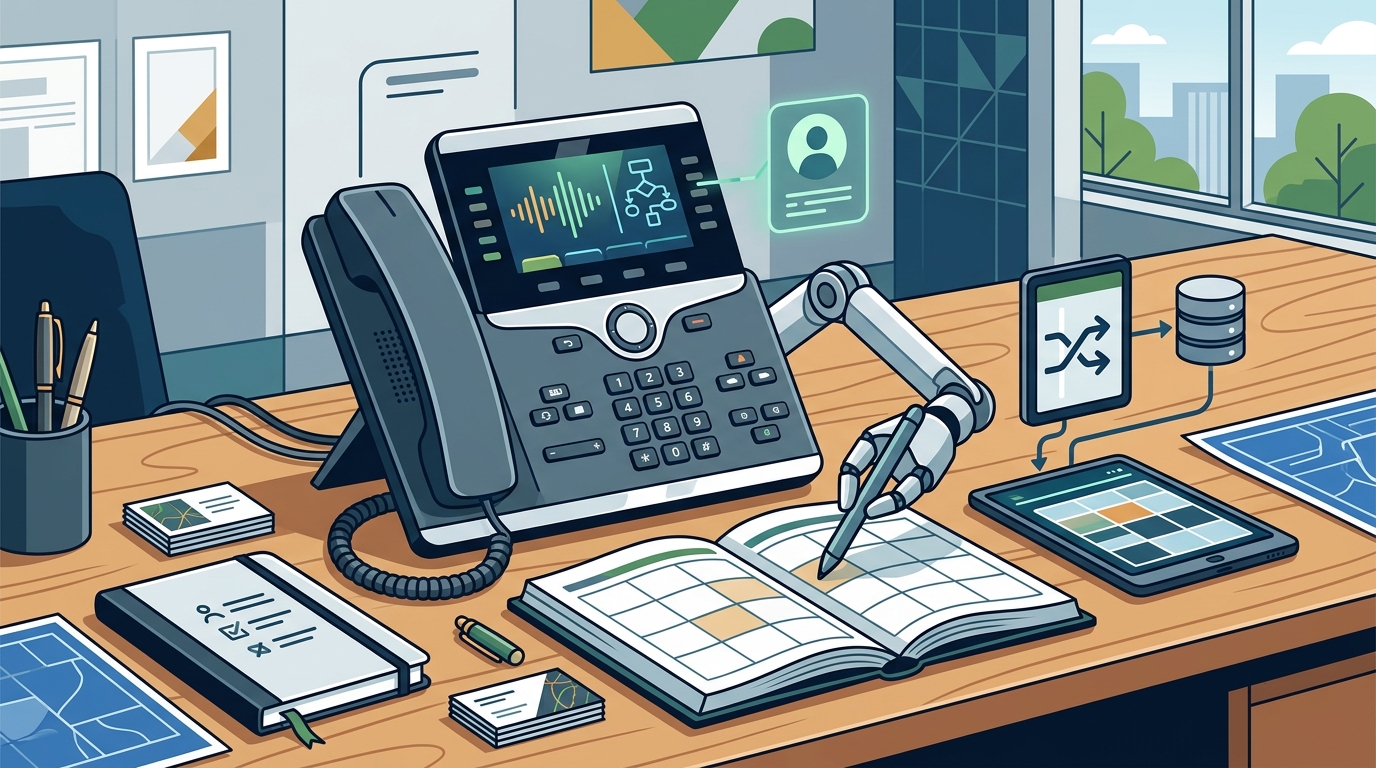
Effective call answering is the foundation of any AI receptionist implementation. The AI must be able to handle a variety of call types, from simple inquiries to complex scheduling requests. Below are seven common scenarios that an AI receptionist should be able to manage effectively. Understanding these scenarios helps business owners set the right expectations for their AI implementation. For additional details, review the Frequently Asked Questions.
1. General Inquiries
General inquiries are the most common type of call. Callers may ask about business hours, location, or general services. The AI should be able to answer these questions accurately and concisely. It should also be able to direct the caller to the appropriate resource, such as a website page or a specific team member, if necessary. For additional details, review the About.
2. Service-Specific Questions
Callers often ask about specific services offered by the business. For example, a potential client might ask about the process for forming an LLC or the cost of web development. The AI should be able to provide high-level information about these services and guide the caller to the next step. This might include booking a consultation or sending a detailed proposal via email.
3. Appointment Scheduling
Appointment scheduling is a critical function for many small businesses. The AI should be able to check real-time calendar availability and book appointments on behalf of the caller. It should also be able to handle rescheduling and cancellations. This reduces the administrative burden on staff and ensures that no potential client is left waiting.
4. After-Hours Calls
After-hours calls are a significant opportunity for small businesses to capture leads that would otherwise be lost. The AI can answer these calls, take messages, and schedule appointments for the next business day. This ensures that the business is always available to its customers, regardless of the time of day.
5. Emergency or Urgent Requests
Some calls may be urgent or require immediate attention. The AI should be able to identify these calls and escalate them to a human agent. This might involve sending a text message to a designated team member or transferring the call to a mobile phone. The ability to handle urgent requests is crucial for maintaining customer trust.
6. Voicemail and Message Taking
When a call cannot be answered in real-time, the AI should be able to take a detailed voicemail. It should capture the caller's name, phone number, and the reason for the call. The message should then be sent to the appropriate team member via email or text. This ensures that no important information is lost.
7. Spam and Robocall Filtering
Spam and robocalls are a persistent problem for small businesses. AI receptionists can use machine learning algorithms to identify and filter out these calls. This reduces the number of unwanted calls that reach human agents and helps protect the business from potential fraud.
Appointment Booking Integration
Appointment booking integration is the process of connecting an AI receptionist to a business's calendar system. This allows the AI to check real-time availability and book appointments without human intervention. The integration should be seamless and reliable, ensuring that the AI always has access to the most up-to-date calendar data. This is critical for avoiding double-booking and ensuring that appointments are scheduled correctly.
Calendar Systems
Booking Rules and Constraints
Confirmation and Reminders
Lead Qualification
Lead qualification is the process of determining whether a potential customer is a good fit for the business's products or services. AI receptionists can perform basic lead qualification by asking a series of questions to the caller. This helps the business prioritize its sales efforts and focus on the most promising leads. Effective lead qualification can significantly improve the efficiency of the sales process and increase conversion rates.
Qualification Criteria
Scoring and Prioritization
Once the AI has gathered the necessary information, it can assign a score to the lead based on the qualification criteria. This score can be used to prioritize the lead in the CRM system. High-scoring leads can be flagged for immediate attention by the sales team, while lower-scoring leads can be nurtured over time. This ensures that the sales team is focusing its efforts on the most promising opportunities.
Handoff to Human Agents
For leads that require more detailed discussion, the AI should be able to hand off the call to a human agent. This handoff should be seamless, with the AI providing the human agent with a summary of the conversation and the lead's qualification score. This ensures that the human agent has all the necessary information to continue the conversation effectively.
Calendar and CRM Integration
Calendar and CRM integration is the process of connecting an AI receptionist to a business's Customer Relationship Management (CRM) system. This allows the AI to create and update lead records in the CRM based on the information gathered during the call. The integration should be seamless and reliable, ensuring that all relevant data is captured and stored correctly. This is critical for maintaining a complete and accurate record of all customer interactions. according to Small Business Data
CRM Systems
Data Mapping
Data mapping is the process of defining how data from the AI receptionist is mapped to fields in the CRM system. This is a critical step in the integration process, as it ensures that the data is stored in the correct fields. For example, the caller's name should be mapped to the 'First Name' and 'Last Name' fields, while the phone number should be mapped to the 'Phone' field. Proper data mapping ensures that the CRM system is easy to use and that the data is consistent.
Automation and Workflows
Once the AI receptionist is integrated with the CRM, businesses can set up automation and workflows to handle leads automatically. For example, when a new lead is created, the CRM can automatically send a welcome email or assign the lead to a specific sales rep. This reduces the administrative burden on the team and ensures that leads are handled consistently. Automation can also be used to trigger follow-up tasks, such as scheduling a follow-up call or sending a proposal.
Key Takeaways
- AI receptionist platforms can answer every call and book appointments for small businesses, providing a 24/7 professional presence.
- Effective call answering requires the AI to handle a variety of scenarios, including general inquiries, service-specific questions, and after-hours calls.
- Appointment booking integration ensures that the AI has access to real-time calendar availability, preventing double-booking and ensuring accurate scheduling.
- Lead qualification helps businesses prioritize their sales efforts by determining whether a potential customer is a good fit for their products or services.
- Calendar and CRM integration allows the AI to create and update lead records in the CRM, ensuring that all relevant data is captured and stored correctly.
- Proper data mapping and automation are critical for ensuring that the CRM system is easy to use and that leads are handled consistently.
- Businesses should choose an AI receptionist platform that offers easy integration with their existing phone, calendar, and CRM systems.
Frequently Asked Questions
Can an AI receptionist handle complex questions?
Yes, modern AI receptionists use large language models that can understand and respond to complex questions. They can handle inquiries about pricing, services, and business policies, and they can guide the caller to the next step, such as booking an appointment or speaking with a human agent.
How does an AI receptionist integrate with my phone system?
AI receptionists typically integrate with phone systems through SIP trunking or API connections. This allows the AI to receive and handle incoming calls. The integration should be seamless and reliable, ensuring that calls are routed to the AI correctly.
Can an AI receptionist book appointments in my calendar?
How does lead qualification work with an AI receptionist?
Lead qualification involves the AI asking a series of questions to determine whether the caller is a good fit for the business. The AI can assign a score to the lead based on the answers, and this score can be used to prioritize the lead in the CRM system.
What CRM systems can an AI receptionist integrate with?
Most AI receptionist platforms integrate with popular CRM systems such as HubSpot, Salesforce, and Zoho. The integration allows the AI to create and update lead records in the CRM, ensuring that all relevant data is captured and stored correctly.
Is an AI receptionist suitable for a small business?
Yes, AI receptionists are an excellent fit for small businesses. They provide a professional front desk presence 24/7, reduce administrative burden, and help capture leads that would otherwise be lost. They are a cost-effective way to improve customer service and sales efficiency.